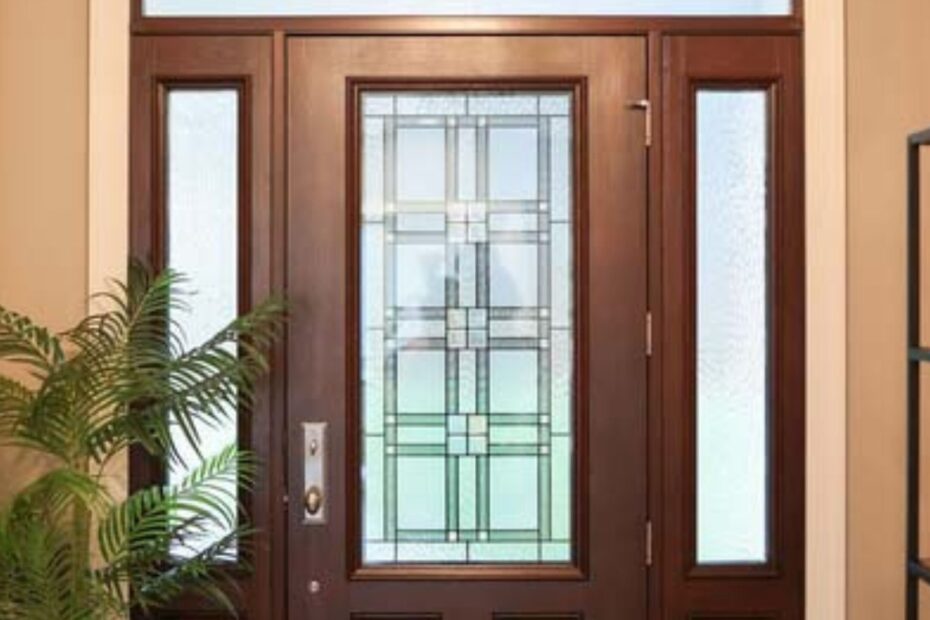
If you’ve ever stood in a home improvement store staring at entry doors, trying to figure out whether fiberglass or steel is the smarter buy, you’re not alone. It’s one of the most common questions homeowners wrestle with, especially in areas where weather doesn’t mess around.
And if you live in the Greater Twin Cities area, you already know what we’re talking about. Minnesota hail season is no joke. The right entry door isn’t just about curb appeal – it’s about protecting your home when the sky decides to throw a tantrum.
So let’s break this down honestly: we’ll look at what fiberglass and steel entry doors each handle well, where they fall short, and which one is more likely to still look good after a hailstorm.
What You’re Actually Choosing Between
Before we get into hail performance, it helps to understand what these two materials fundamentally are.
A steel entry door is made from galvanized steel wrapped around an insulating core, usually polyurethane foam. It’s dense, heavy, and has been the go-to choice for security-conscious homeowners for decades.
A fiberglass entry door is made from glass-fiber-reinforced polymer. It’s engineered to look like wood but behave like a tank. Modern fiberglass doors can be textured to mimic wood grain so convincingly that most people can’t tell the difference at a glance.
Both are solid options. But they perform very differently when the conditions get tough.
How Each Door Handles Hail Damage
Steel Doors and Hail: The Dent Problem
Here’s the honest truth about steel doors: they dent. Not always, and not from every hailstone, but large hail – the kind that falls during severe Minnesota thunderstorms – can absolutely leave marks on a steel entry door.
Once steel dents, there’s no easy fix. You can’t sand it out or reshape it the way you might with a car panel. The dent is there to stay, and it becomes both a cosmetic issue and a potential starting point for rust if the protective coating is compromised.
Steel doors are also prone to rust over time, especially in climates that cycle between wet springs, humid summers, and freezing winters. That cycle of moisture and temperature is exactly what the Twin Cities delivers year after year. Even galvanized steel with a painted finish can start showing surface rust if the coating gets scratched or dented.
Fiberglass Doors and Hail: Built Differently
Fiberglass behaves very differently under impact. Because the material has some flex to it, it tends to absorb impact better than steel. Small to moderate hail usually bounces off fiberglass without leaving a mark.
With larger hail, fiberglass can crack rather than dent. That sounds worse at first, but here’s the thing: a crack in fiberglass can often be repaired with the right composite filler and refinished to look nearly original. A dent in steel just lives there.
More importantly, fiberglass doesn’t rust. It doesn’t corrode. It won’t absorb moisture or swell the way wood does. For a climate that throws everything at your exterior – rain, ice, heat, hail – fiberglass simply holds up better over the long haul.
Energy Efficiency: A Factor You Shouldn’t Overlook
This comparison isn’t just about surviving hail. You also live with your entry door every single day, which means energy efficiency matters.
Steel Door Insulation
Steel is a conductor of temperature. That means in a Minnesota winter, a steel door can transfer cold from the outside to the inside more readily than fiberglass. Most steel doors compensate for this with foam insulation cores, which do help. But the steel frame itself remains a thermal bridge unless the door is specifically designed with a thermal break.
Fiberglass Door Insulation
Fiberglass is a natural insulator. It doesn’t conduct heat or cold the way metal does, which gives it a built-in advantage for energy efficiency. A quality fiberglass entry door with a foam core can deliver impressive insulation performance without any special engineering workarounds.
Over a Minnesota winter, that difference in thermal performance adds up. Fiberglass doors generally earn better energy ratings, and in a region with long, cold winters, that’s money staying in your pocket instead of leaving through your front door.
Security: Does Steel Still Win?
Steel has long been marketed as the more secure door material, and there’s some truth to that reputation. A solid steel door is extremely difficult to kick in or force open, which is a legitimate selling point.
But the security of any entry door depends more on the frame, the lock hardware, and the installation quality than the door material itself. A poorly installed steel door with a weak frame is far less secure than a properly installed fiberglass door with a reinforced frame and quality deadbolt.
Modern fiberglass doors have closed the security gap considerably. The structural integrity of a quality fiberglass door is high, and when installed correctly, it provides excellent resistance to forced entry.
The takeaway: if security is your top concern, prioritize the quality of the installation and the hardware – not just the material.
Maintenance Over Time: The Real Cost Difference
What Steel Doors Require
Steel doors need to be repainted periodically to maintain their protective coating. If that coating is compromised by a dent, scratch, or chip, rust becomes a real concern. You’ll also need to check and maintain weatherstripping regularly to keep moisture from getting into the seams.
In a climate that sees everything from blizzards to summer thunderstorms, that maintenance cycle becomes ongoing and sometimes inconvenient.
What Fiberglass Doors Require
Fiberglass doors are genuinely low maintenance. They don’t rust, they don’t rot, they don’t warp, and they hold their finish well over time. If you choose a stained fiberglass door, you’ll want to reapply the stain every few years to keep it looking fresh. Painted fiberglass holds up even longer between touch-ups.
For homeowners who want to install a door and not think about it for years, fiberglass wins this category without much debate.
Cost Comparison: Upfront vs Long-Term Value
Steel doors typically cost less upfront. A basic steel entry door is one of the more affordable options on the market, which is part of why they remain popular.
Fiberglass doors carry a higher initial price tag, often noticeably so for premium styles. But when you factor in the longer lifespan, lower maintenance costs, better energy performance, and greater resistance to hail and moisture damage, the long-term value calculation shifts.
Think of it this way: a steel door that dents in a hailstorm and starts rusting at the edges a few years later isn’t actually saving you money. A fiberglass door that still looks good after a decade of Minnesota weather is the better investment even if it costs more at the start.
Aesthetics: Can Fiberglass Really Look as Good as Wood?
This is where fiberglass has genuinely surprised a lot of homeowners. Modern fiberglass entry doors are available in a wide range of styles, textures, and finishes – including incredibly realistic wood grain textures that can be stained to look like actual wood.
Steel doors can be attractive too, especially in clean, modern styles. But they don’t mimic the warmth of wood the way fiberglass can, and their painted finishes can show chips, scratches, and fading more visibly over time.
If you want curb appeal that holds up and still looks sharp a decade from now, fiberglass gives you more options with less upkeep.
What Professional Installation Has to Do With All of This
Here’s something that often gets overlooked in the fiberglass vs. steel entry door conversation: the quality of your door is only as good as the quality of the installation.
A premium fiberglass door installed with poor weatherstripping, improper shimming, or an inadequate frame won’t perform the way it should. You’ll lose energy efficiency, experience drafts, and potentially face water intrusion issues that have nothing to do with the door material itself.
This is why working with an experienced door replacement team matters. At A Pane In The Glass Construction, the installation side of the job gets just as much attention as the product selection. Getting the right door is the first step – getting it installed properly is what makes it perform.
If you’re also considering updates to other parts of your home’s exterior while you’re thinking about this, it’s worth knowing that a new entry door pairs well with window replacement work, since both projects directly affect your home’s energy efficiency and overall curb appeal.
The Verdict: Which Door Actually Survives Hail Season?
If the goal is a door that holds up through Minnesota hail season and beyond without demanding constant attention, fiberglass is the clear winner.
It handles impact better than steel, resists rust and moisture, insulates more effectively, and requires far less maintenance over its lifespan. It also looks great for years without the ongoing paint and touch-up work that steel demands.
Steel still has a place – it’s a solid, affordable option for homeowners on a tighter budget who understand the trade-offs. But if you’re investing in an entry door with the long game in mind, fiberglass is the material that’s still going to be performing at a high level years after a tough hailstorm.
Frequently Asked Questions
Does fiberglass crack easily from hail?
Fiberglass can crack from very large hailstones, but it’s more resistant to impact damage than steel. Smaller and moderate hail typically won’t leave a mark. And when fiberglass does crack, repair is often more feasible than fixing a dented steel door.
Which door is better for cold climates?
Fiberglass performs better in cold climates because it doesn’t conduct temperature the way steel does. In a Minnesota winter, a fiberglass entry door with a foam core provides noticeably better thermal performance.
Is a steel door more secure than fiberglass?
Steel has a reputation for security, but modern fiberglass doors are highly secure when installed correctly. The frame, lock hardware, and installation quality matter more than the door material for real-world security performance.
How long does a fiberglass entry door last?
A quality fiberglass entry door can last 30 years or more with minimal maintenance. It doesn’t rust, rot, or warp, which gives it a significant lifespan advantage over steel in harsh climates.
Can I get a fiberglass door that looks like wood?
Yes. Modern fiberglass doors are available with highly realistic wood grain textures that can be stained to closely resemble real wood. Many homeowners and guests can’t tell the difference at a normal viewing distance.
Which Entry Door Is Best for Minnesota Hail Season?
Choosing between fiberglass and steel comes down to how long you’re thinking ahead. If you want a door that handles Minnesota hail, holds its insulation value, and stays low maintenance for years, fiberglass is the smart call. Steel can work, but it asks more of you over time. When you’re ready to move forward, explore your door replacement options with a team that knows how to match the right product to your home and get it installed the right way.