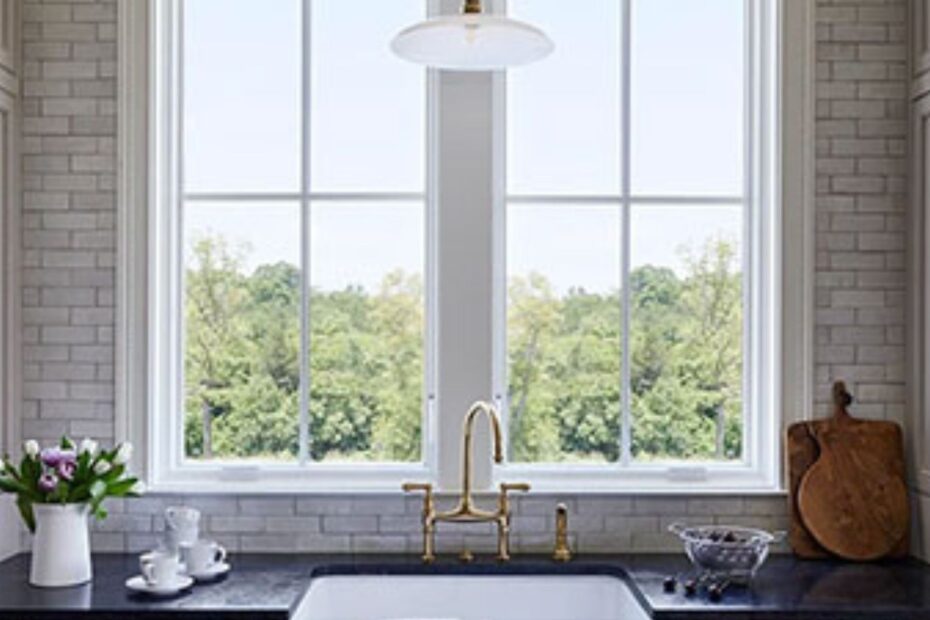
You notice a draft near the living room window. Maybe there’s a little fog between the glass panes, or the frame has started to warp just enough that you can’t close it cleanly anymore. These are signs that your windows might be on their way out, but how do you actually know when it’s time to replace them versus just living with the quirks?
The honest answer is: it depends on the type of window, the materials used, how well they were installed, and how well they’ve been maintained over the years. Let’s break it down in a way that actually makes sense.
The General Lifespan of Windows
Most residential windows last somewhere between 15 and 30 years. That’s a wide range, and for good reason. A poorly installed window in a harsh climate can start failing in under a decade. A well-built, properly installed window with regular upkeep can push past 30 years without major issues.
The key word there is “failing.” A window can still technically open and close long after it’s stopped performing its actual job, which is to insulate your home, keep moisture out, and block drafts. Performance failure often comes before visible failure.
How Window Material Affects Longevity
The frame material plays a huge role in how long a window holds up. Different materials age very differently, and knowing which type you have can help you predict when problems might start showing up.
Vinyl Windows
Vinyl is one of the most popular choices in modern window replacement, and for good reason. It resists moisture, doesn’t rot or corrode, and holds up reasonably well through hot summers and cold winters. A quality vinyl window typically lasts 20 to 40 years, though the seal around the insulated glass unit can start to degrade sooner, usually around the 15 to 20-year mark.
Once the seal goes, you’ll start to see condensation forming between the panes. That foggy glass look is a telltale sign the insulating gas has escaped, and the window is no longer doing its job properly.
Wood Windows
Wood windows have a classic look and excellent natural insulating properties, but they demand more maintenance than any other type. Without regular painting, sealing, and inspection, wood frames can begin to rot, warp, or swell within 10 to 15 years. With proper care, they can last 30 years or more.
The problem is that most homeowners don’t keep up with wood window maintenance the way manufacturers recommend. If you’ve got older wood windows that have been neglected, they’re likely already in some stage of deterioration even if they don’t look bad from the inside.
Aluminum Windows
Aluminum frames are strong and slim, but they conduct heat and cold very easily, which makes them poor insulators. They resist rust, but older aluminum windows without thermal breaks are notoriously drafty in winter. Lifespan typically falls between 20 and 25 years, though performance issues often show up well before the frame itself fails.
Fiberglass Windows
Fiberglass is the premium option. It doesn’t expand or contract much with temperature swings; it’s strong, and it holds its finish well. Quality fiberglass windows can last 30 to 50 years, making them a long-term investment that pays off over time. The upfront cost is higher, but the total lifespan often justifies it.
Signs Your Windows Are Actually Failing
Knowing the typical lifespan is useful, but the real question is: what does window failure actually look like in your home? There are some signs that go beyond age and get into actual performance.
Drafts and Air Leaks
If you can feel air moving around the edges of a closed window, the weatherstripping or seals have broken down. This isn’t just uncomfortable. It means your heating and cooling system is working harder than it needs to, and your energy bills are likely reflecting that.
Condensation Between Panes
This is one of the clearest signs that an insulated glass unit has failed. When the seal breaks down, the argon or krypton gas that provides insulation escapes, and outside air gets in. That moisture shows up as fog or condensation between the two panes, and once it starts, it doesn’t go away on its own.
Difficulty Opening, Closing, or Locking
Windows that are hard to operate aren’t just annoying. They’re often a sign that the frame has warped or that the hardware has worn out to the point where it’s no longer functioning safely. A window you can’t lock is a security issue on top of a performance problem.
Visible Damage to the Frame
Soft spots in a wood frame, cracks in a vinyl frame, or corrosion on aluminum are all signs that the structural integrity of the window is compromised. At that point, no amount of weatherstripping or caulk is going to fix the underlying problem.
Rising Energy Bills Without Another Cause
If your heating or cooling costs have crept up over the years without a clear reason, old windows are often the culprit. Single-pane windows and windows with failed seals allow significant heat transfer, making your HVAC system work overtime.
Lead Paint on Old Windows
If your home was built before 1978, aging windows can carry another problem besides drafts and fogged glass. Lead paint was banned for household use that year, but older homes can still have it on window frames, sashes, and sills, often under newer coats of paint.
Windows deserve special attention because they are friction surfaces. Each time a painted sash slides against its frame, it can grind off fine lead dust that settles on the sill and floor. Older double-hung windows are a common example, since both sashes rub against the frame every time they move. Health officials in the Twin Cities have repeatedly pointed to old windows coated in lead paint as one of the most common sources of lead exposure for young children, who crawl, touch sills, and put their hands in their mouths.
How to Tell if Old Windows May Have Lead Paint
Home age is the first clue. Beyond that, look for chipping, peeling, or cracking paint on frames and sashes, and for paint chips or gritty dust on sills and in the window wells. You can’t confirm lead by sight, though. A qualified lead inspector can test the paint, and a test is worth doing before any work begins on a pre-1978 home.
What to Do Until the Windows Are Replaced
- Wipe sills, tracks, and window wells regularly with a damp disposable cloth instead of dry dusting or sweeping.
- Avoid dry scraping, sanding, or heat-stripping old window paint, which creates lead dust.
- Skip the household vacuum for paint chips and dust, since it can spread fine dust back into the room.
- Keep young children away from sills and window wells, and open and close the sashes as little as you can.
A fresh coat of paint can seal in lead paint in some cases, but it is rarely a lasting fix on windows because the moving parts keep rubbing the surface.
Replacing Windows That Have Lead Paint
Replacement removes the painted friction surfaces from the home entirely, which is why it is a common long-term fix. The work itself needs care, though. Under the federal Renovation, Repair and Painting (RRP) rule, paid window replacement in a pre-1978 home must be done by an EPA Lead-Safe Certified firm using lead-safe work practices: containing dust, cleaning up thoroughly, and verifying the cleanup. Window replacement is covered no matter how small the job is. Before hiring anyone, ask for proof of certification and how they will protect your family.
For more on what newer windows can do for an older house, read about updating windows in older homes.
How Installation Quality Affects Window Lifespan
Here’s something that doesn’t get talked about enough: even a great window can fail prematurely if it’s not installed correctly. Poor installation leads to water infiltration, air leaks, and frame stress that shortens the life of even the best products on the market.
A window installed without proper flashing, for example, can allow water to seep behind the frame and into the wall cavity. That damage is often invisible until it’s caused rot, mold, or structural issues inside the wall. By that point, what started as a window problem has become a much bigger and more expensive one.
This is why choosing an experienced installer matters as much as choosing the right window. At A Pane In The Glass Construction, window replacement is handled by a team with decades of hands-on experience led by an owner who has worked in the window trade since 2001. Proper installation isn’t an afterthought. It’s built into how every project is approached. For more on what to avoid, read about common mistakes when replacing windows.
Maintenance Habits That Extend Window Life
You can’t stop windows from aging, but you can slow the process. A few consistent habits go a long way.
Inspect your windows once a year, ideally in fall before temperatures drop. Look for cracked caulk, deteriorating weatherstripping, and any signs of moisture around the frame. Recaulk and replace weatherstripping as needed. For wood windows, stay on top of painting and sealing to keep moisture out of the frame. Brand-specific upkeep guides are available on the care and maintenance page.
Clean the tracks and hardware on operable windows so they don’t bind or wear unevenly. A little lubrication on hardware goes a long way toward keeping things functioning smoothly for years longer than they would otherwise.
When Repair Makes Sense Versus When to Replace
Not every window issue means you need a full replacement. Sometimes a failed seal can be addressed by replacing just the glass unit inside an otherwise sound frame. Sometimes worn weatherstripping or a broken latch is all that needs attention. In a home built before 1978, keep the lead paint concerns above in mind before any scraping or sanding.
But there are situations where repair is just delaying the inevitable. If the frame itself is damaged, if the window is single-pane, or if the window is already past its expected lifespan and showing multiple issues, replacement is usually the more cost-effective choice in the long run. Putting money into a 25-year-old window that’s already underperforming rarely makes financial sense when you compare it to the energy savings and comfort a new window brings.
If you’re weighing your options, learning more about window replacement can help you understand what a modern installation actually involves and what you can expect in terms of performance and longevity.
What to Expect From Modern Replacement Windows
Today’s replacement windows are significantly better than what was available even 15 years ago. Low-E glass coatings reduce heat transfer without blocking light. Argon or krypton gas fills between panes improve insulation. Multi-point locking systems improve both security and air sealing. And frame technology has advanced to the point where thermal breaks are standard in most quality products.
The result is a window that performs better from day one, holds up longer, and contributes to lower energy costs throughout its lifespan. When you pair that with professional installation, you’re not just replacing a failing window. You’re improving your home’s overall performance.
Frequently Asked Questions
How do I know if my windows are past their lifespan?
If your windows are more than 20 years old and showing any combination of drafts, fogged glass, difficult operation, or visible frame damage, they’ve likely reached or passed the point where replacement makes more sense than repair.
Can a window look fine but still be failing?
Yes. Performance failure often comes before visible failure. A window with a broken seal may look intact from the outside but be doing almost nothing in terms of insulation. Rising energy bills and cold spots near windows are often the first signs.
Is it worth replacing windows if I’m not planning to sell my home soon?
Absolutely. The benefits of new windows – lower energy bills, improved comfort, reduced noise, and better security – are felt immediately and every day. You don’t have to be planning a sale to benefit from the upgrade.
How long do replacement windows last in Minnesota’s climate?
Minnesota’s winters are tough on windows. Freeze-thaw cycles, humidity changes, and temperature extremes put real stress on frames and seals. Quality vinyl or fiberglass windows installed correctly should still last 20 to 30 years or more, but the importance of proper installation and quality materials is amplified in this climate.
Does window type affect energy efficiency as much as age?
Both matter. An older window of any type will likely underperform compared to a modern equivalent, but the material and construction type also play a significant role in long-term efficiency.
Do old windows have lead paint?
They can. Lead paint was banned for household use in 1978, so windows in homes built before then may have lead paint on the frames, sashes, and sills, even under newer layers of paint. Only testing by a qualified lead inspector can confirm it.
Is it safe to replace windows that have lead paint?
Yes, when the work follows lead-safe practices. Federal rules require firms doing paid window replacement in pre-1978 homes to be EPA Lead-Safe Certified, to contain dust during the job, and to clean up and verify the cleanup afterward. Ask any contractor for proof of certification before work begins.
Know When Your Windows Need Replacing
Windows don’t fail all at once. They degrade gradually, losing efficiency and performance long before they look obviously broken. If your windows are approaching or past the 20-year mark and you’re noticing drafts, fogged glass, or higher energy bills, it’s worth taking a closer look. For homeowners in the Greater Twin Cities area, the team at A Pane In The Glass Construction has the experience to give you an honest assessment. Start by exploring your window replacement options to understand what a quality installation actually looks like. Ready to talk it through? Request a free window replacement estimate.