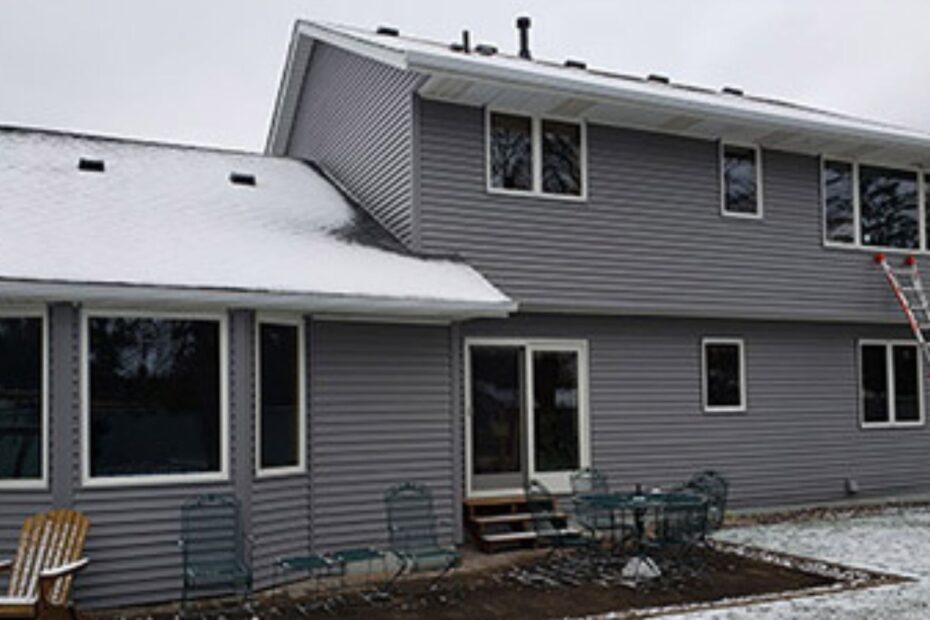
If you’ve ever stood in your driveway squinting at your home’s exterior and wondered, “Is it time to replace that siding?” – you’re not alone. It’s one of the most common questions homeowners ask, and honestly, the answer isn’t always straightforward.
Vinyl siding is one of the most popular exterior cladding options for good reason. It’s durable, low-maintenance, and affordable. But like everything on your home, it doesn’t last forever.
So how long does vinyl siding last before you actually need to replace it? Let’s break that down clearly, without the sales pitch.
The Average Lifespan of Vinyl Siding
Most vinyl siding is built to last anywhere from 20 to 40 years, depending on the quality of the product, the installation, and how well it’s maintained over time.
That’s a wide range, and it’s intentional. Not all vinyl siding is created equal. Budget-grade products might start showing their age in 15 to 20 years, while premium vinyl siding – properly installed by an experienced contractor – can hold up well beyond the 30-year mark.
The key word there is “properly installed.” Even the best siding on the market can underperform if it’s rushed or done incorrectly. That’s why who installs your siding matters just as much as what gets installed.
What Affects How Long Vinyl Siding Lasts?
Product Quality and Thickness
Vinyl siding comes in different thicknesses, typically measured in thousandths of an inch. Thicker panels are more resistant to impact, warping, and fading. When you’re comparing products, don’t just look at price – look at the specs.
Reputable brands back their products with long-term warranties, sometimes even lifetime coverage. That’s a good sign you’re dealing with a quality product worth the investment.
Quality of Installation
This one can’t be stressed enough. Vinyl siding needs to be installed with the right amount of “play” – meaning it’s not nailed too tightly – because the material naturally expands and contracts with temperature changes. If it’s installed incorrectly, you’ll start to see buckling, warping, or gaps that let moisture in.
Working with an experienced siding contractor significantly reduces the risk of premature failure. It’s not just about hanging panels. It’s about understanding how the material behaves over time.
Climate and Weather Exposure
Harsh winters, hot summers, and heavy storms all take a toll on siding. In climates that see extreme seasonal swings – like much of Minnesota – siding goes through a lot of thermal cycling year after year.
Hail is another major factor. A single severe hailstorm can cause enough surface damage to compromise the structural integrity of your siding, even if it doesn’t look catastrophic at first glance.
Maintenance and Upkeep
Vinyl siding is often marketed as “maintenance-free,” but that’s a bit misleading. It’s low-maintenance, not no-maintenance.
Keeping it clean, checking for cracks or loose panels after storms, and addressing small issues before they become big ones can meaningfully extend the life of your siding. Neglecting those things can shorten it.
Signs Your Vinyl Siding Needs to Be Replaced
Knowing the average lifespan is helpful, but what really matters is knowing when your specific siding has reached the end of the road. Here are the signs to watch for:
- Warping or buckling panels – If your siding looks wavy or is pulling away from the wall, it may indicate moisture intrusion or problems caused by improper installation.
- Fading and discoloration – Some fading is normal over time, but severe or uneven color loss can indicate the protective coating has worn through.
- Cracking or brittleness – Vinyl becomes more brittle with age and exposure to UV rays. If panels are cracking on impact or just on their own, that’s a red flag.
- Mold, mildew, or rot underneath – If moisture has worked its way behind the siding, you may notice soft spots, musty odors inside the house, or visible mold growth around seams and edges.
- Increased energy bills – Damaged or aging siding can compromise your home’s insulation. If your heating or cooling costs have been creeping up without explanation, your siding might be part of the problem.
- Paint peeling inside the home – This one surprises people. Interior paint peeling near exterior walls can actually be a sign that moisture is getting in through deteriorating siding.
Can You Repair Vinyl Siding Instead of Replacing It?
Sometimes, yes. If the damage is isolated – a cracked panel here, a small section that took a hit from a falling branch – repairs can absolutely make sense. Replacing individual panels is often straightforward when done by a skilled contractor.
But if the damage is widespread, if the siding is approaching or past the 25-to-30-year mark, or if there’s underlying moisture damage to the wall sheathing, repairs start to become a band-aid on a bigger problem. At that point, a full replacement is usually the smarter financial decision in the long run.
How Vinyl Siding Compares to Other Siding Materials
It’s worth having some context here. Vinyl doesn’t last as long as fiber cement or brick, but it costs significantly less upfront and requires far less maintenance than wood.
Fiber cement siding, for example, can last 50 years or more. Wood siding can last just as long if it’s properly maintained – but that’s a big “if.” Vinyl sits in a solid middle ground: a reasonable lifespan, lower cost, and minimal upkeep.
For many homeowners, that trade-off makes a lot of sense, especially when the siding is professionally installed and built from quality materials.
What to Expect From a Vinyl Siding Replacement Project
If you’ve determined it’s time to replace your siding, here’s a realistic picture of what the process looks like.
First, a contractor will assess your home’s exterior and check for any underlying damage to the sheathing or insulation before new siding goes on. Skipping this step is a mistake many homeowners regret later.
Then comes product selection. You’ll have choices in profile, texture, and color. Quality contractors will walk you through options that suit your home’s style and your budget – without pushing you toward the most expensive option unnecessarily.
Installation typically takes anywhere from a few days to a week, depending on the size of your home. A well-run project won’t drag on indefinitely. You’ll know the timeline upfront.
Finally, the finished product should look clean, sit flush, and have no visible gaps or misaligned panels. If something looks off after installation, a good contractor will make it right.
How to Get More Life Out of Your Current Siding
If your siding still has some life left in it, here’s how to protect that investment a little longer:
- Rinse it down with a garden hose once or twice a year to remove dirt and debris
- Inspect panels after major storms and address any cracks or loose sections promptly
- Keep trees and shrubs trimmed back so branches aren’t rubbing against the surface
- Check caulking around windows, doors, and corners and reseal where needed
- Avoid using a pressure washer with too much force, which can force water behind the panels
These aren’t complicated tasks, but they add up over time and can genuinely extend the life of your siding by several years.
Frequently Asked Questions About Vinyl Siding Lifespan
Does vinyl siding fade over time?
Yes, it does. UV exposure causes gradual color loss, usually more noticeable after the 10 to 15-year mark. Premium siding products use more UV-resistant pigments that hold their color longer. Severe or uneven fading is a sign the material is degrading.
Can cold winters shorten the life of vinyl siding?
Cold weather by itself isn’t the enemy – it’s repeated freeze-thaw cycles and thermal expansion that cause problems over time, especially if the siding wasn’t installed correctly. Impact damage is also more common in cold weather because vinyl becomes more brittle at low temperatures.
How do I know if my vinyl siding has moisture damage underneath?
Signs include soft or spongy walls when you press on them, musty smells inside the home, visible mold near window or door frames, and peeling interior paint near exterior walls. If you suspect moisture intrusion, get a professional assessment before it spreads further.
Is it worth replacing vinyl siding on an older home?
Absolutely. New siding can dramatically improve curb appeal, comfort, and energy efficiency. It also protects the structural components of your home from moisture damage. If your current siding is showing significant wear, replacement is almost always a worthwhile investment.
How much does vinyl siding replacement cost?
Costs vary based on the size of your home, the product you choose, and local labor rates. The best approach is to get a detailed, itemized quote from a reputable contractor so you know exactly what you’re paying for.
How Long Your Vinyl Siding Can Really Last
Vinyl siding typically lasts 20 to 40 years, but product quality, installation, and maintenance all shape where your home lands in that range. If your siding is showing signs of wear – or simply approaching its age limit – it’s worth getting a professional opinion sooner rather than later. The team at A Pane In The Glass has been helping homeowners in the Greater Twin Cities area make smart exterior decisions since 2001. If you’re ready to take the next step, learn more about our siding replacement services and find out what the right solution looks like for your home.