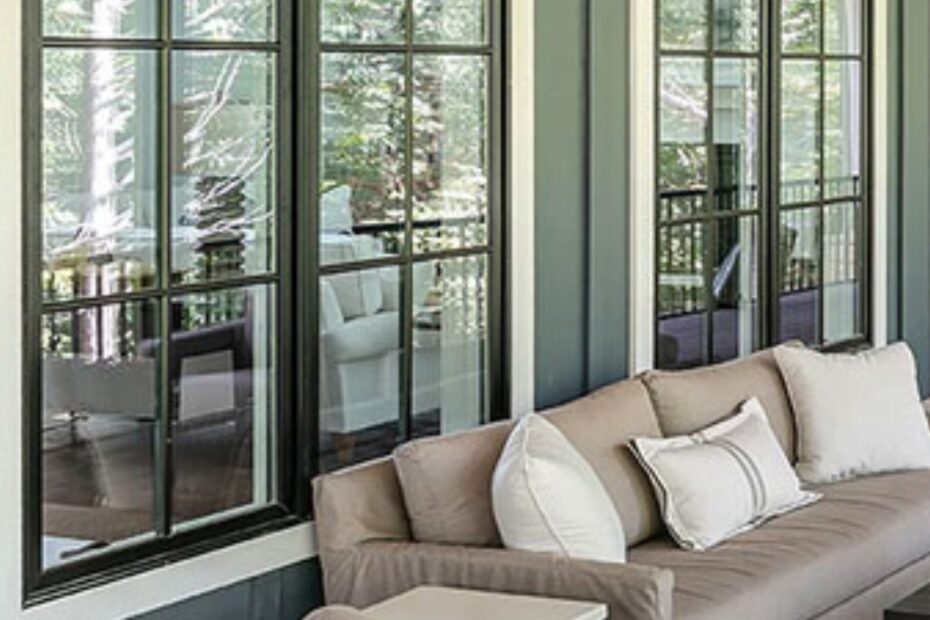
Most homeowners assume that window replacement cost comes down to one thing: what type of glass you pick. And while glass absolutely matters, it is only part of the story. The truth is, when you replace your windows you can shift your total price just as much as what you put in them.
If you have been putting off a replacement project because you are not sure when to pull the trigger, this article is for you.
The Myth of the “Standard” Window Replacement Price
There is no universal number when it comes to window replacement cost. You will see averages thrown around online – figures around $1,200 per window are common – but that number can swing dramatically depending on timing, material choices, and installation conditions.
A basic single-hung or sash window replacement in a straightforward situation can cost much less than a project that involves retrofitting an older home with non-standard openings, requires scaffolding for upper-floor access, or uses specialty glazing such as tempered or laminated glass.
Timing adds yet another layer. And it is a layer most homeowners never consider.
How Seasonal Demand Drives Window Replacement Pricing
Spring and Summer: High Demand, Higher Prices
Spring and early summer are peak season for exterior remodeling. Homeowners come out of winter with a list of projects, contractors fill their schedules fast, and material prices tend to rise with demand. If you are requesting quotes during this window, expect lead times to stretch and pricing to reflect that demand.
This is not contractors taking advantage of you – it is simple market pressure. When everyone wants work done at the same time, the average cost per project tends to climb.
Fall: The Sweet Spot Few Homeowners Use
Fall is one of the most underappreciated times to schedule a window replacement. Contractor schedules start to open up, and some manufacturers offer end-of-season pricing to move inventory before winter production cycles begin.
You may find better availability, faster installation timelines, and in some cases, more flexibility on pricing. The temperature is also cooperative for installation – adhesives, caulks, and seals all perform better in moderate conditions than in extreme heat or cold.
Winter: Trickier, But Not Impossible
Winter installation is possible and sometimes necessary. Emergency replacements happen regardless of the calendar. However, cold temperatures introduce real complications for installers, and certain glazing materials behave differently in extreme cold.
Heat transfer during installation is a genuine concern. Seals need to cure properly, and HVAC systems may work harder during the period when windows are open for replacement. These factors can add time and, in some cases, cost to a project.
Material Timing: When Prices Change at the Supply Level
The Role of Manufacturing Cycles and Tariffs
Window manufacturers tend to release updated pricing at the start of each new year. If you are planning a replacement project, knowing that pricing adjustments often land around January 1 is useful information.
Tariffs on aluminum, polyvinyl chloride (PVC), and glass components have created pricing volatility in recent years. States like Indiana serve as major manufacturing hubs for window components, and supply chain shifts can ripple through to the end consumer price faster than most homeowners realize.
Booking your project before an announced price increase can result in meaningful savings, especially on larger multi-window projects.
Material Choice and Its Long-Term Cost Relationship
The material you choose affects more than your upfront price. It affects your long-term costs in areas like energy efficiency, maintenance, and even home insurance replacement value.
Here is a quick look at how common materials compare:
- Polyvinyl chloride (vinyl/PVC): One of the most popular and cost-effective options. Low maintenance, decent insulating properties, and widely available. Works well in most climates.
- Wood: Higher upfront cost, excellent aesthetic value, and good insulating properties when maintained. Requires more upkeep in wetter or more extreme climates.
- Fiberglass: A premium option that handles heat transfer and temperature swings exceptionally well. More expensive upfront but highly durable over time.
- Aluminum: Strong and low-maintenance but a poor insulator on its own. Often used in light commercial projects or modern architectural designs. Aluminum frames conduct cold, which can affect heating, ventilation, and air conditioning efficiency.
Each of these materials has different pricing exposure when supply chains tighten. Knowing which material fits your budget and your home’s performance needs helps you plan smarter.
Glass Type and Its Effect on Window Replacement Cost
Insulated Glazing: The Standard Worth Understanding
Most modern replacement windows use insulated glazing, which typically means two or three panes of glass with a sealed air or gas-filled space between them. This design significantly reduces heat transfer and supports efficient energy use throughout the year.
Double-pane insulated windows are now largely the baseline in most building code requirements. Triple-pane glass adds another level of insulation but also adds cost and weight. For most homes, double-pane insulated glazing hits the right balance between price and performance.
Specialty Glass and When It Makes Sense
Tempered glass is stronger than standard glass and is required by building code in certain locations – near doors, on staircases, and in bathrooms, for example. It costs more but offers real safety advantages.
Laminated glass, often used for security or sound dampening, sandwiches a layer of material between two panes. Architectural glass options, like frosted or patterned glass, serve privacy or design purposes. These specialty options add to your total replacement cost but often serve a specific function that justifies the investment.
Low-E Coatings and Energy Performance
Low-emissivity (low-E) coatings are thin metallic layers applied to glass that reflect heat back into the room during winter and block solar heat during summer. For homeowners focused on efficient energy use and reducing HVAC costs, low-E glass is usually worth the modest price bump.
This kind of glazing choice also has implications for your home’s energy rating, which can affect long-term utility costs and even home insurance replacement value assessments.
The Hidden Costs That Catch Homeowners Off Guard
Retrofitting and Structural Surprises
Retrofitting older windows into existing openings sounds straightforward until the wall reveals something unexpected – rot, outdated framing, or a window opening that does not match any standard size. These discoveries add labor and material costs that no quote can fully anticipate without a thorough inspection.
This is one reason working with an experienced local contractor matters. A team that has handled hundreds of Minnesota homes will recognize the warning signs early and build a more accurate estimate from the start.
Scaffolding for Upper-Level Windows
Windows on single-story homes are generally easy to access. Multi-story homes or certain architectural layouts require scaffolding, which adds both equipment cost and setup time to your project. This is a real line item that should appear in any honest quote for upper-floor window work.
Warranty Coverage and What It Actually Protects
Window warranties vary significantly by manufacturer and installer. Material warranties cover the product itself – glass seal failures, frame defects, hardware issues. Installation warranties cover the labor. Both matter.
Understanding your warranty coverage is an important part of evaluating the total value of your replacement project. A window installed without a proper installation warranty may save money upfront but leave you exposed to out-of-pocket costs if something goes wrong in year two or three.
Always ask: what does this warranty actually cover, and for how long?
Why Local Climate Shapes Long-Term Window Replacement Value
Cold Climates Demand More From Windows
In the Twin Cities area, windows face genuine thermal stress. Temperature swings between summer highs and winter lows put real pressure on seals, frames, and glazing. A window that performs reasonably well in a moderate climate like parts of California may not deliver the same results in a Minnesota winter.
This is not a minor distinction. Insulated glazing, appropriate frame materials, and proper installation are all critical factors for long-term performance in a cold climate. Choosing windows optimized for local temperature ranges protects your investment and keeps your heating costs manageable.
Climate Risk and the Cost of Getting It Wrong
Choosing the wrong window for your climate is a risk that plays out slowly. Poor insulation leads to higher energy bills. Inadequate sealing invites moisture. Moisture causes rot, mold, and potential structural damage. The cost of getting your window selection right the first time is almost always lower than the cost of dealing with the consequences of getting it wrong.
A window replacement professional who understands your local climate conditions is not just an installer – they are a risk management resource.
How to Time Your Window Replacement Project for the Best Outcome
Timing your project well means thinking about a few different factors at once:
- Plan in fall or late winter to avoid peak-season pricing pressure and take advantage of contractor availability.
- Watch for manufacturer price changes – especially around the start of a new year – and book before announced increases take effect.
- Do not wait for an emergency. Failed seals, broken hardware, and drafty frames tend to get worse over time, and emergency replacements rarely come at ideal times or prices.
- Get your inspection early. Discovering a retrofitting issue before installation begins is far less disruptive than discovering it mid-project.
Plan Your Window Replacement for Better Value
Window replacement cost is shaped by more than just the glass you pick. Timing, materials, climate, and installation complexity all play a role in what you actually pay – and what you get for your money. The smartest approach is to plan ahead, understand what you are buying, and work with a team that gives you honest answers.
If you are ready to start thinking through your replacement project, learn more about window replacement services from A Pane In The Glass. You can also reach the team directly to schedule a walkthrough and get a quote that reflects your home’s real needs.